
If you’re still chasing 90%+ occupancy, you’re playing the wrong game.
Most hotels chase occupancy. The most profitable ones chase pricing power.
A new class of brands has broken free from the "fill every room" mentality. They're holding rate, walking away from low-paying guests, and consistently pulling in $300 to $700 RevPAR. These aren't just luxury chains—they're rate strategists.
Here's how you can learn from them.
RevPAR winners: Who’s leading the pack
These hotel brands are estimated to have some of the highest RevPAR in 2024, ranked from highest to lowest:
- Aman Resorts — $700+ (estimated) (Aman)
- Wynn Resorts — $527 (Nasdaq)
- Six Senses (IHG) — $467 (IHG)
- Mandarin Oriental — $421 (Journal des Palaces)
- Four Seasons — $409 (Host Hotels)
These brands focus on rate, not just occupancy. They show fewer rooms, lean into direct bookings, and package value into every stay. You don’t need to be luxury to learn from them.
5 moves high-revPAR hotels make (that you probably aren’t)
1. They set floor rates, not ceilings
Instead of racing to discount, these hotels decide how low they’ll go—and hold that line. Rate integrity is treated as non-negotiable.
2. They earn more from each guest
Once for the room. Then through add-ons: late checkout, in-room extras, local transport. One stay, multiple revenue streams.
3. They use their CRM like a sales team
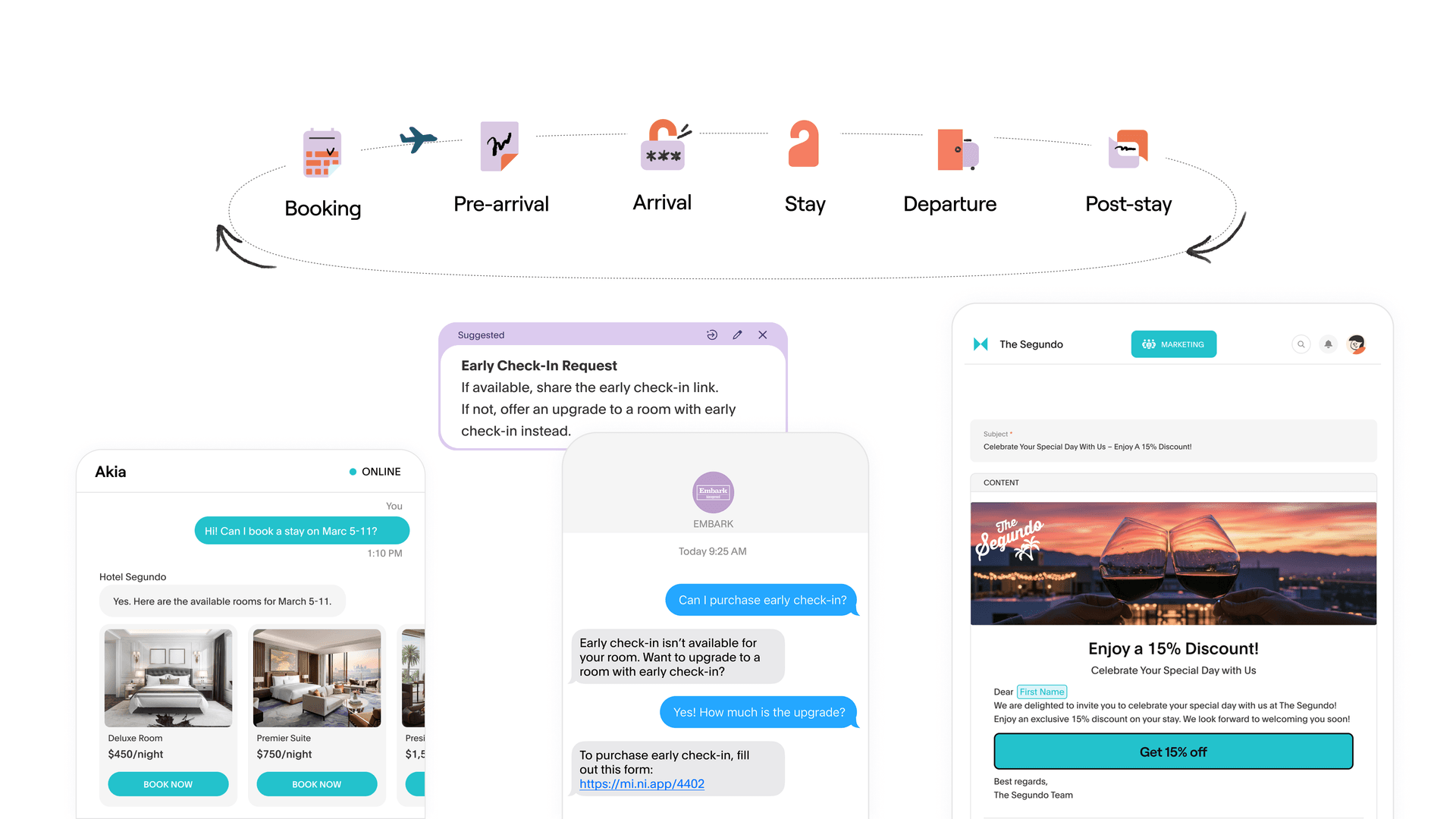
Top-performing hotels don’t just store guest data—they act on it. CRM campaigns drive direct bookings, upgrade conversions, and return visits.
4. They price to attract the right guest
The goal isn’t to get booked—it’s to get booked by the guest who values what you offer. Higher rates filter out mismatched expectations and complaints.
5. They design for word of mouth
From welcome gifts to post-stay thank-yous, every moment is engineered to spark a story or photo. It drives future bookings without ad spend.
You don’t need a global brand to play this game
Boutique and lifestyle hotels can apply these tactics without massive marketing budgets. You don’t need a $700 ADR—but you do need rate discipline, a sharp CRM strategy, and the confidence to sell experience over inventory.
Ditch the occupancy game. Build revenue like the best do—on rate, not volume.